Spray Foam Diagnosis
Why Removal — Not Patch Repair — Is Usually the Real Fix
What federal spray foam litigation has established about how bad installations actually get remedied, stated honestly instead of oversold as an easy patch job.
This is the page most repair-focused spray foam sites won't tell you plainly: for a genuinely bad installation, the real, accepted remedy is almost always full removal and reinstallation — not a patch, a re-coat, or a partial fix. This isn't a scare tactic; it's what documented litigation and industry practice around bad spray foam jobs have actually established.
What Federal Litigation Has Established
Multiple federal class-action cases involving major spray foam manufacturers (including cases against Demilec and Masco Corporation, among others) have centered on defective or improperly-curing spray foam installations, and the remedies these cases have addressed consistently point to full removal and replacement as the real-world fix for genuinely defective installations — not incremental patching. That's not a marketing claim; it reflects how the industry and legal system have actually treated confirmed bad installations at scale.
Why a Patch Repair Usually Doesn't Actually Work
Off-ratio foam, once cured, has a fundamentally different chemical structure than correctly-mixed foam — it isn't simply "under-strength" foam that a topcoat or partial re-spray can correct. New foam sprayed over or around defective foam doesn't fix the underlying adhesion failure, trapped moisture, or off-gassing source in the original material; it just adds a layer on top of an unresolved problem. This is the specific reason a "quick patch" pitch for a genuinely off-ratio or moisture-compromised installation is usually not a real fix, even when it's sold confidently.
What Full Removal Actually Involves
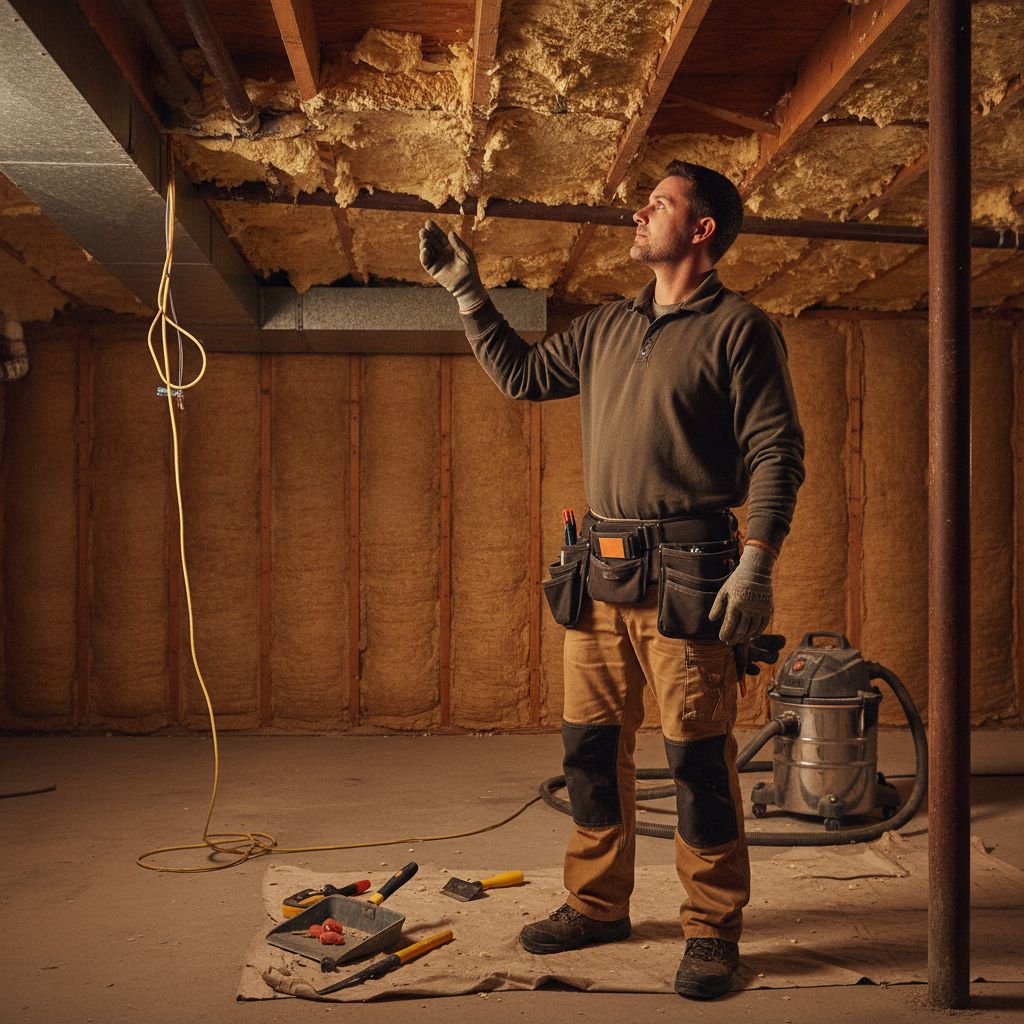
Proper removal means mechanically stripping the defective foam back to the substrate, inspecting that substrate for any moisture damage or mold that needs its own remediation, and then reinstalling correctly — with proper substrate moisture verification and calibrated equipment — rather than simply spraying new foam over the same conditions that caused the original failure. This is a bigger, more expensive job than a patch, which is exactly why some contractors pitch the cheaper patch option even when it isn't the real fix.
When a Smaller Fix Genuinely Is Appropriate
To be fair to the other side of this: not every spray foam issue requires full removal. A small localized gap or a minor cosmetic issue in an otherwise correctly-cured installation can sometimes be addressed with a targeted, limited repair. The distinction is whether the underlying chemistry and adhesion are sound elsewhere — a genuinely isolated defect is different from foam that's off-ratio, moisture-compromised, or failing broadly across the installation. This is precisely the judgment call a real inspection is for, not something to guess at from a description over the phone.
Key Takeaways
- Documented federal litigation against major spray foam manufacturers has centered on full removal and replacement as the real remedy for defective installations, not patch repair.
- Off-ratio or moisture-compromised foam has a fundamentally different chemical structure — new foam sprayed over it doesn't fix the underlying problem, it just adds a layer on top of it.
- Proper removal means stripping to substrate, checking for moisture/mold damage, and reinstalling correctly — a bigger job than a patch, which is exactly why some contractors pitch the cheaper option anyway.
- A small, genuinely isolated defect in an otherwise sound installation is the exception where a targeted repair can be appropriate — but that's a judgment call for a real inspection, not a guess.
Common Questions
Removal vs. Patch Repair FAQs
Real questions people ask when they suspect a spray foam problem.
Related Topics
Is Your Spray Foam Actually a Problem, or Normal?
How to tell a genuine spray foam defect apart from normal cure smell, texture variation, and other things that look alarming but aren't.
Read moreSpray Foam Off-Gassing & Persistent Odor
The real timeline for normal cure odor, and the specific signs that a smell lasting well past that window means something actually went wrong.
Read moreSpray Foam Mold & Moisture Signs
What actually indicates moisture trapped behind spray foam versus a surface-level, non-structural issue — and why the difference matters.
Read more
Not Sure What You're Dealing With?
Get a free, honest second opinion on your spray foam situation — no pressure, no obligation, and no incentive to tell you it's worse than it is.