What a Legitimate Spray Foam Inspection Actually Checks
If you're getting someone to look at a suspected spray foam problem, it's worth knowing what a genuinely thorough assessment actually involves — partly so you know what to expect, and partly so you can tell the difference between a real inspection and a quick look followed by a sales pitch.
Visual Assessment, Done Properly
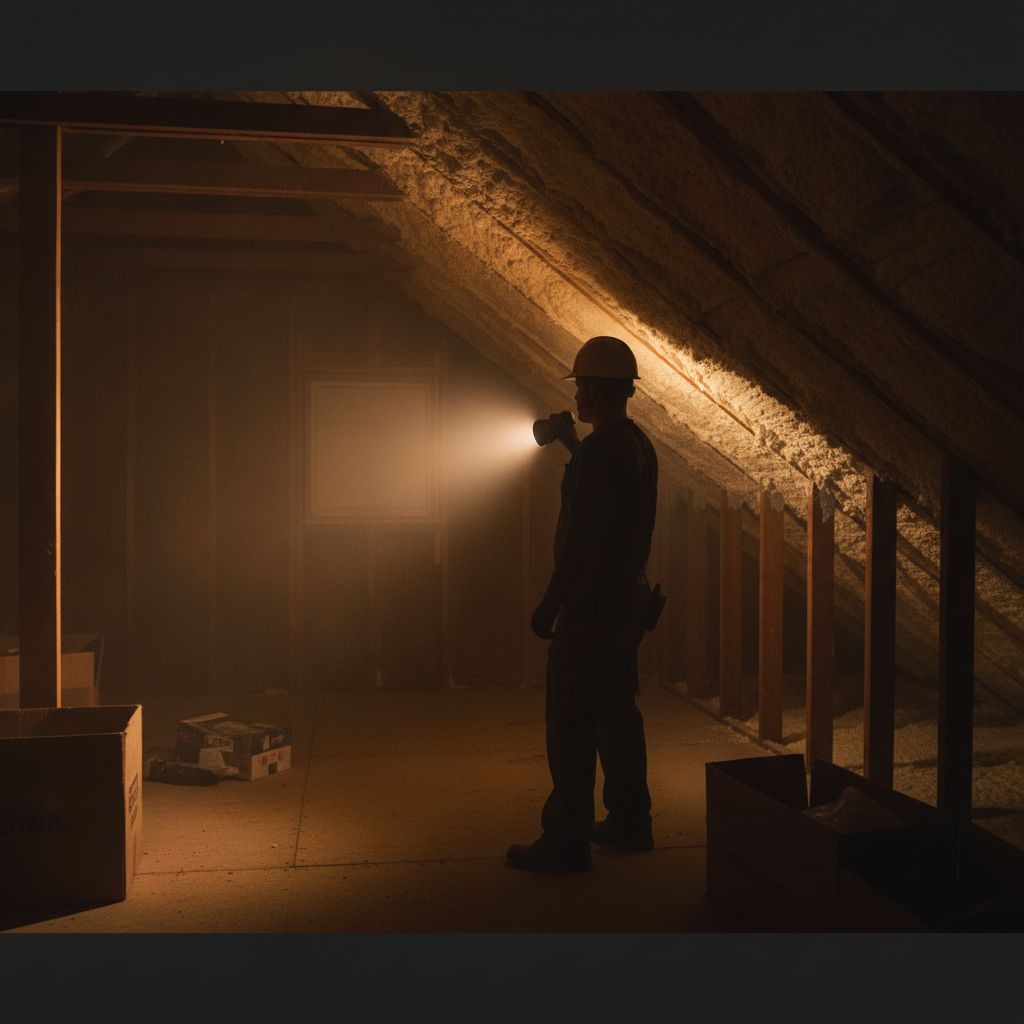
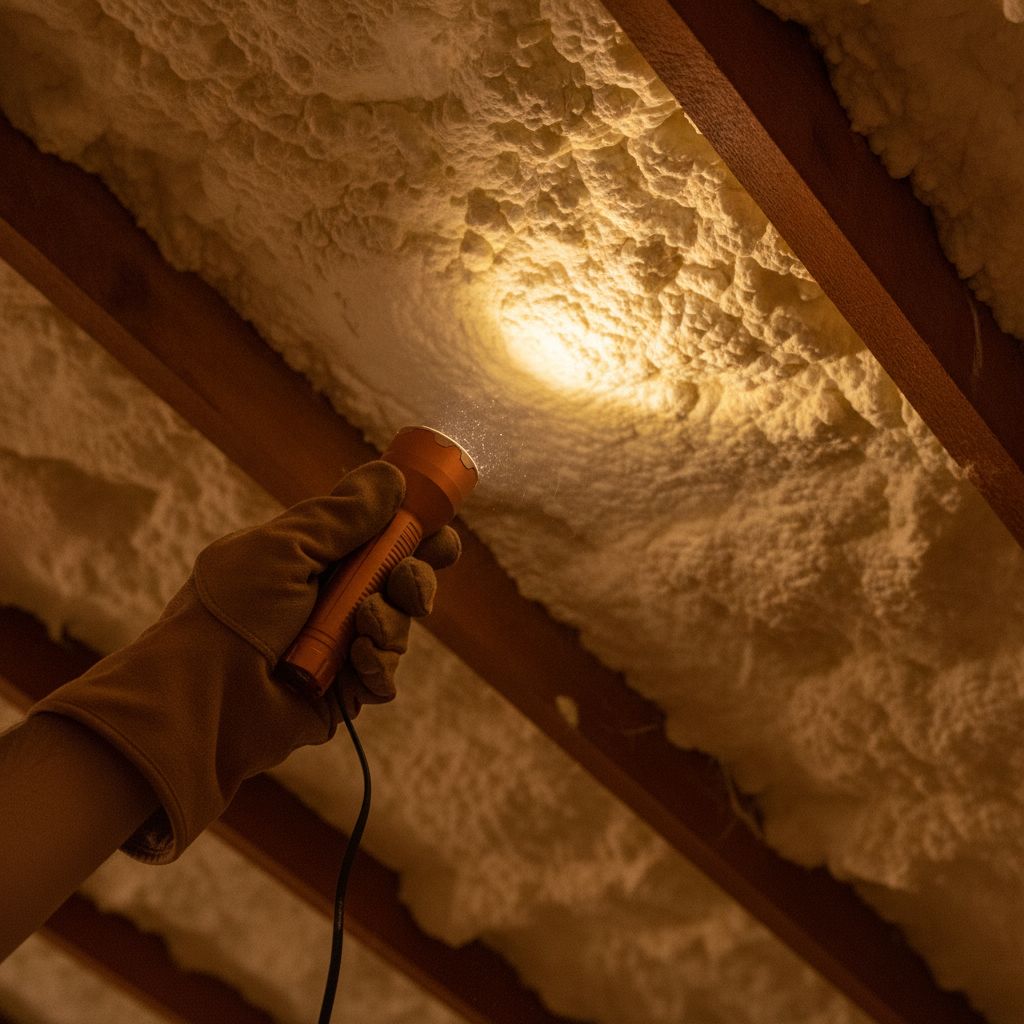
A real inspection starts with a careful visual look at accessible foam — checking for visible shrinkage or gapping at edges and seams, color or texture inconsistency that might indicate off-ratio mixing in specific areas, and any staining or discoloration that could point to moisture. This sounds basic, but a thorough visual check covers the full accessible area methodically, not just the specific spot you mentioned as a concern — problems in one area sometimes indicate a broader issue worth checking elsewhere too.
Tactile Assessment
Correctly cured spray foam should feel firm and stable to the touch. A real inspection includes physically checking foam firmness in multiple locations, since tackiness or sponginess is one of the clearest tactile signs of an off-ratio mix — and it's something photos alone can't capture, which is part of why an in-person or hands-on assessment matters more than a phone diagnosis.
Moisture Readings
Because closed-cell foam blocks visual inspection of the substrate behind it, a legitimate assessment of a suspected moisture problem uses a moisture meter capable of reading through the foam layer, not just surface-level dampness. This is standard diagnostic equipment in this specific niche, and a real inspector should be using it, not estimating based on appearance alone.
Installation History Review
A thorough assessment asks about and reviews whatever documentation is available — installation date, product used if known, any prior issues, and relevant history like roof leaks or plumbing problems in the area. This context genuinely changes the likely diagnosis; foam installed during a documented cold snap, for instance, raises the likelihood of an off-ratio issue from equipment struggling with viscosity in low temperatures.
When an Inspection Cut Is Actually Warranted
For a specific, localized suspected problem where moisture meter readings and visual/tactile signs together suggest a real issue, a small inspection cut — carefully opening a limited section to directly view the substrate — may be the only way to actually confirm what's happening behind the foam. This isn't done routinely or without cause; it's a targeted step when other evidence points to a real problem in a specific area.
What This Should NOT Look Like
A legitimate inspection does not consist of someone glancing at a photo you texted and immediately quoting a repair price, and it does not consist of a five-minute walkthrough that skips moisture readings entirely for a suspected moisture problem. If the "inspection" you're offered skips the actual diagnostic steps and goes straight to a sales pitch, that's worth being cautious about — a real assessment takes real time because it's actually gathering evidence, not confirming a conclusion reached in advance.
Read the full documentation checklist, or get a second opinion on your specific situation.